Criollo is a white-bean cacao, delicate, scarce, and difficult to grow. It accounts for around 5% of world production, and good criollo for far less. Ours are three selections found on this land, grown biodynamically in the soil and climate of Maceo.
Most innovative cacao farm in Colombia (Fedecacao, 2018) and 1 silver + 3 bronze at the International Chocolate Awards 2019.

One of only about five Demeter-certified cacao farms in the world, the most demanding standard in agriculture.
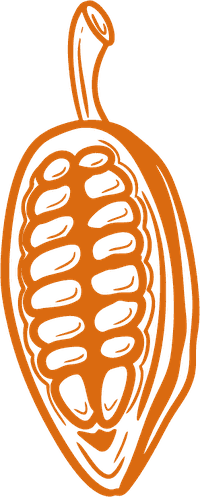
Three criollo selections found on this land, propagated only by grafting, no crossbreeding, no bought-in beans.
Everything happens right here. We don't buy beans from elsewhere: what you taste was born a few metres from your room.
Porcelana criollo trees under biodynamic management, with no synthetic chemicals.
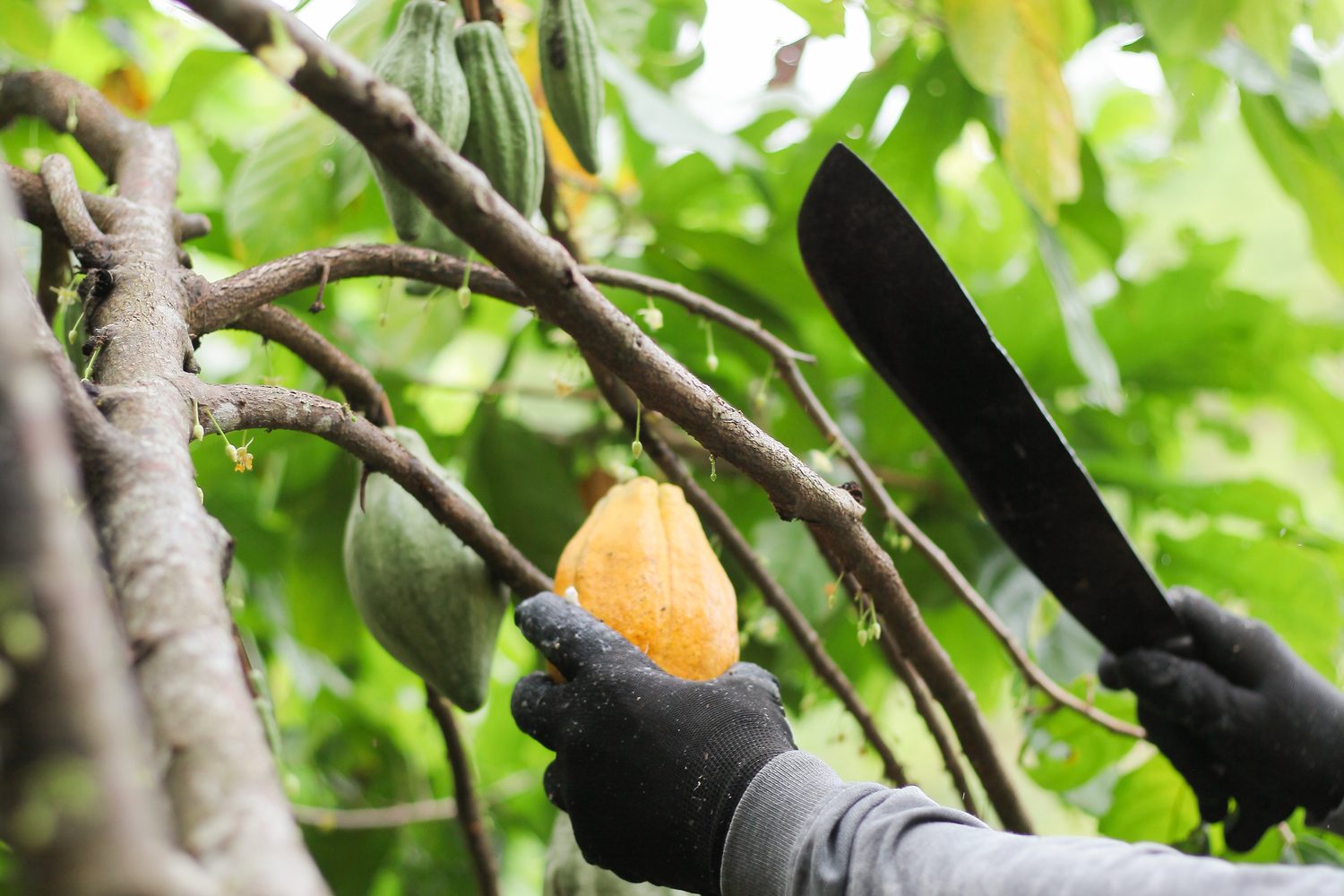
Hand-cut, pod by pod, at the exact point of ripeness.
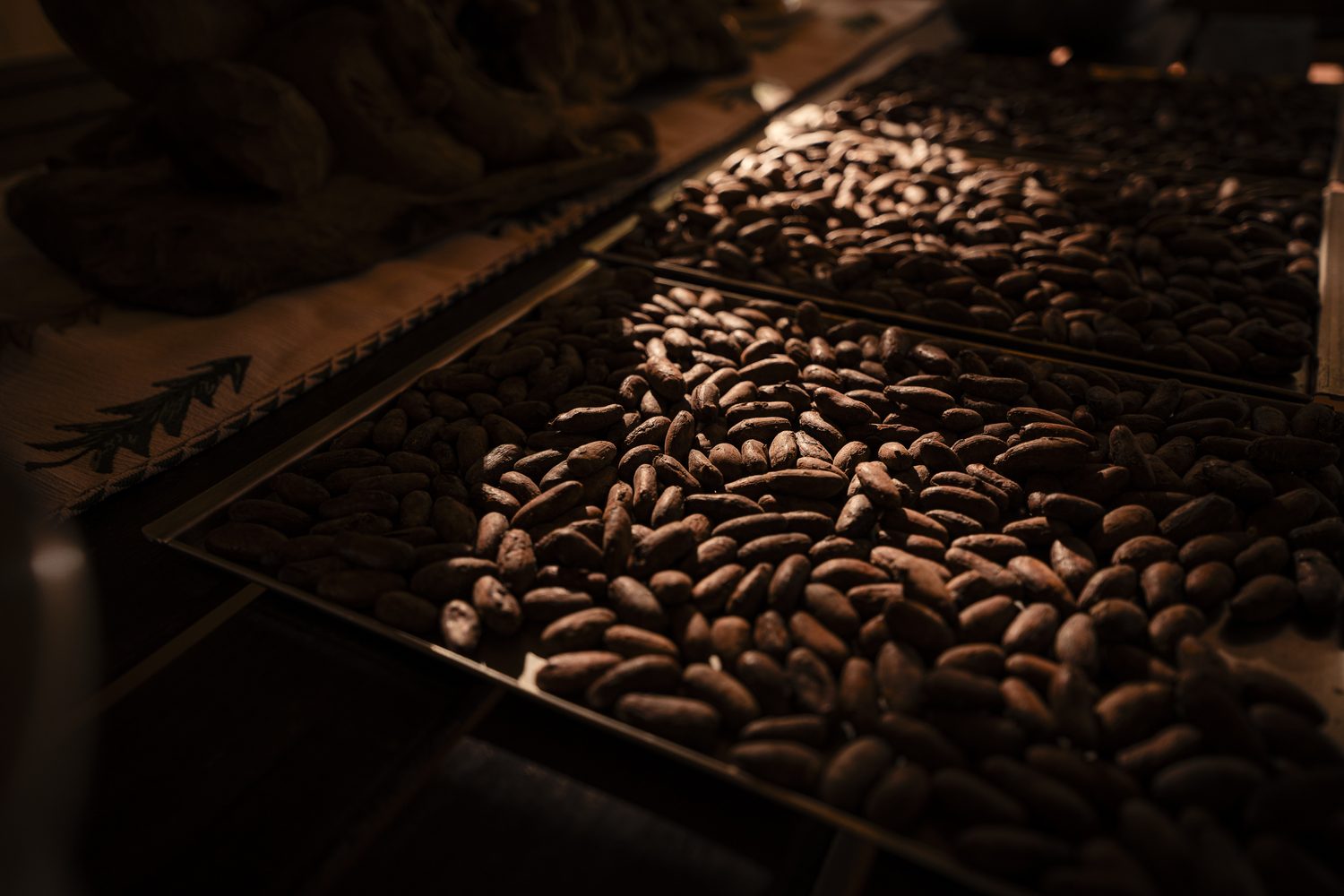
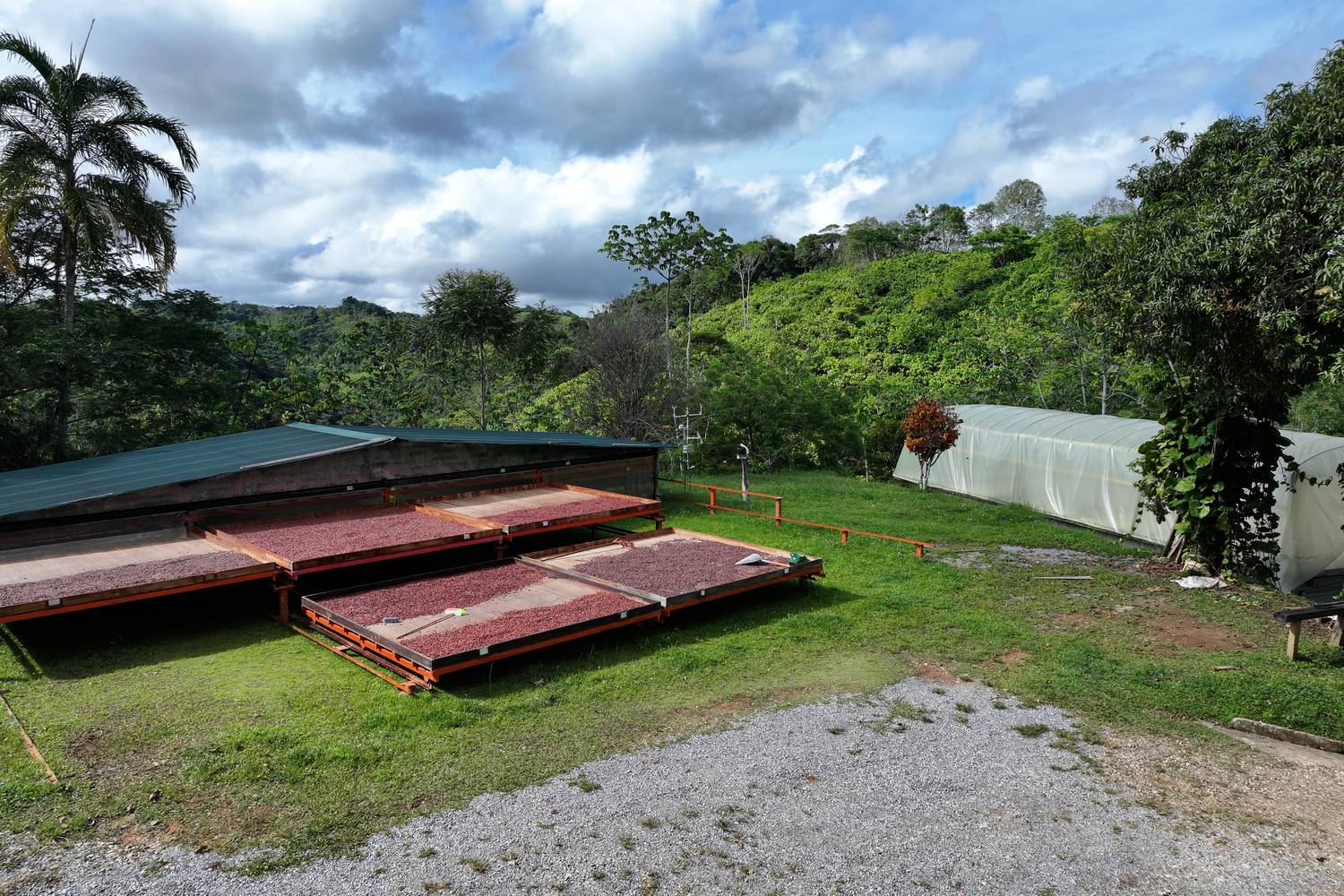
The step where flavour is born. Days of careful control in wooden boxes and sun drying.
Roasting, grinding, and conching to reach the cup and the bar.
The criollo tree is native to South America and makes up only about 5% of world cacao production. Good criollo is rarer still: fragile trees, vulnerable to disease, yielding far less than the robust commercial varieties. Almost nobody grows it, because on a spreadsheet it makes no sense.
What it gives back is flavour. Its beans are white, the colour of porcelain, where most cacao beans are purple, and they carry fruit, nuts, flowers and spice instead of blunt bitterness.
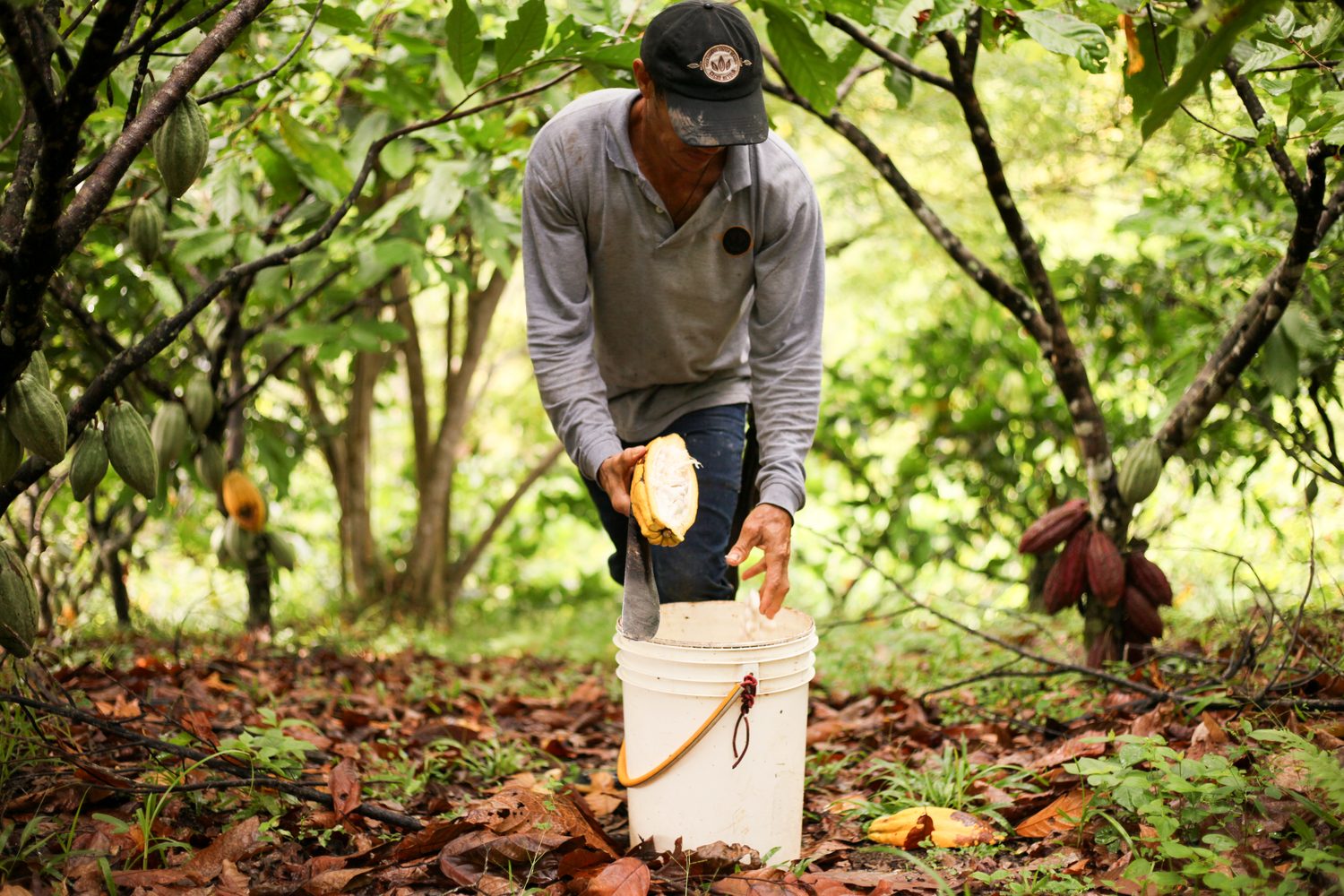
Three mother trees were found on this land, chosen for their white, aromatic beans, and multiplied by grafting ever since. Nothing was imported: they are local trees, and every one of them carries a number and a written record.
Creamy and balanced: red berries, hazelnut, melon, and a fruity-yoghurt note.
Rare and unusual: dry herbs like thyme and oregano, peanut, tea, and forest air.
Powerful and fruity: ripe pineapple, star fruit, mocha, and a long finish.
Biodynamic farming understands the farm as a living organism: soil, trees, animals, and people form one system. We work with our own compost, natural cycles, and no agrochemicals.
Demeter certification is the most demanding standard in this kind of agriculture, and very few cacao farms in the world hold it.
Fermentation is where the flavour is really decided, days of measured control in neutral hardwood boxes, then slow drying in the sun. The long version, with the numbers, lives on our cacao site.
Walk among the trees, open a pod, taste the fresh pulp, and see the fermentation.
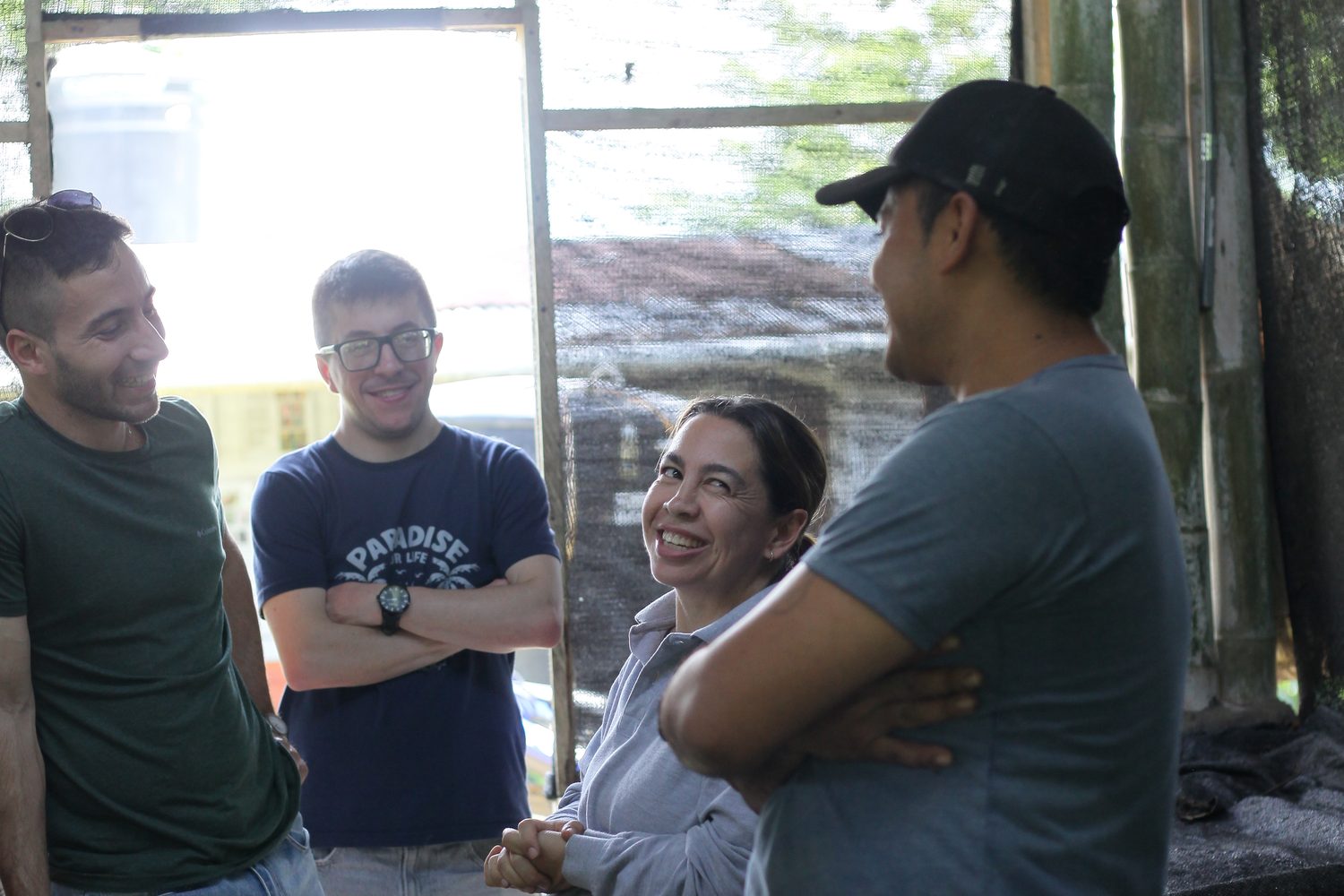
A hands-on workshop to make your own bar with our beans.
Ceremonial preparation served in the temple, within our facilitator-led retreats.