An orange label with the word Demeter on it. In Europe people recognise it in the supermarket; almost nowhere else does anyone know what it means. What is behind it, explained from zero.
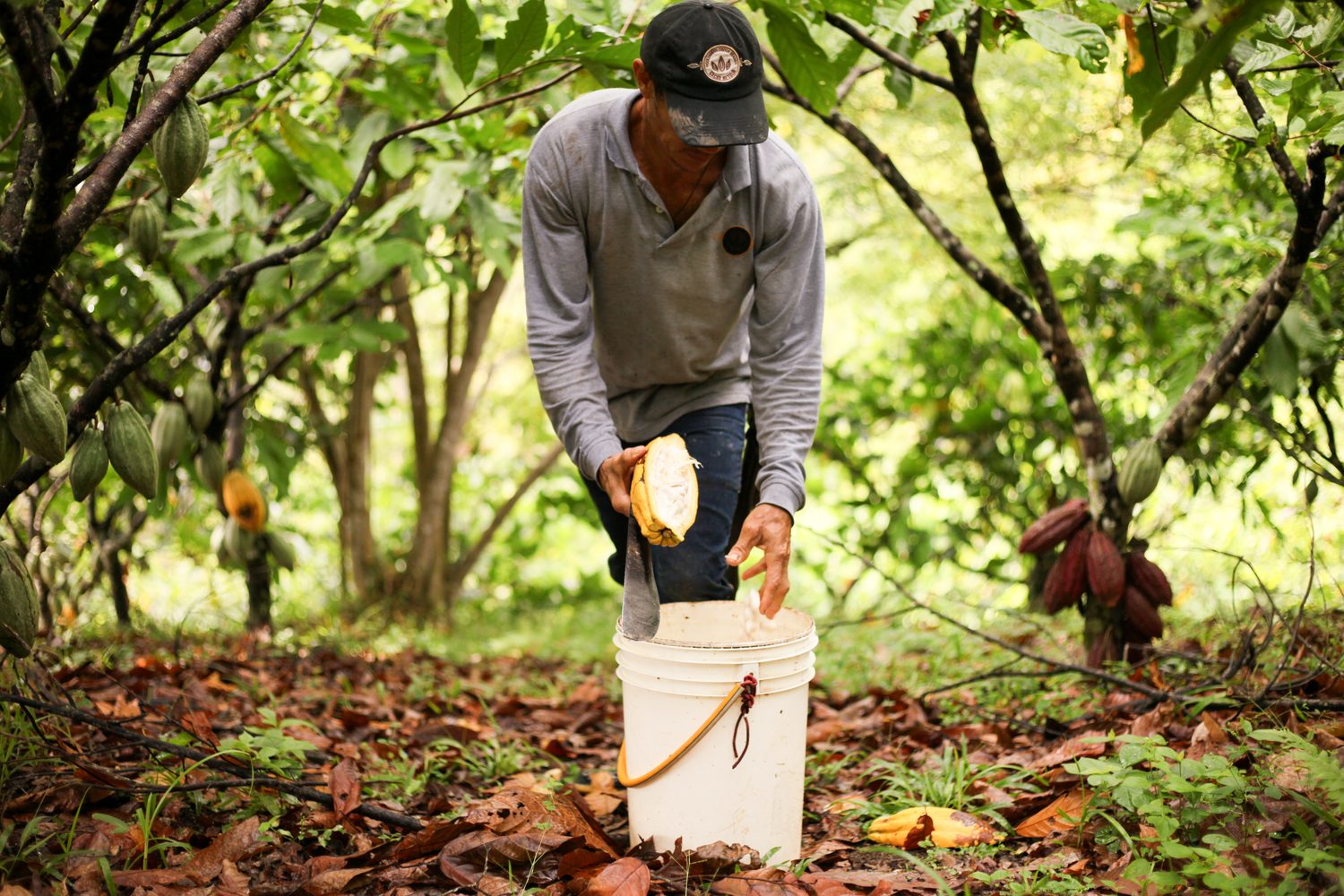
This year we certified our cacao with Demeter. When we mention it to someone in Europe, the reaction is immediate: they know what it means, because the label is on supermarket shelves. When we mention it here, the question is usually different, and it is a fair one: what is that?
It is worth answering properly, because Demeter is not another version of the organic label. It is the label of a farming method of its own, biodynamics, with its own rules. Understanding it from zero takes a few minutes. Let's start.
Biodynamics is a way of farming that began in 1924. It turned a hundred years old in 2024. Demeter is the label that certifies a farm genuinely practises it, and that label was registered in 1928, which makes it the oldest ecological farming certification in the world: it existed decades before the word organic appeared on a label.
It is run today by an international federation, with certified farms in more than sixty countries. It asks for everything organic asks for, and then a good deal more. The difference is not a longer list of bans. It is a different idea of what a farm is.
In 1924 a group of European farmers asked Rudolf Steiner for advice. Yields were falling year on year, seed was degenerating and the animals were getting sick more often. Synthetic fertiliser had just arrived in farming and the first generation to use it was already seeing the consequences.
Steiner gave a series of eight lectures. Biodynamic agriculture came out of them, and four years later the label that certifies it.
An organic label is essentially a list of prohibitions: no synthetic pesticides, no chemical fertiliser, no GMOs. The inspection checks that nothing on the forbidden list comes onto the farm.
That is a good starting point and it solves a lot. But a farm can meet every item on that list and still run exactly like a conventional one: buy the inputs outside, apply them, harvest, buy again. Only the supplier changes.
The central idea is that a farm is an organism, not a factory. Soil, plants, animals, trees and water form a system that should feed itself. The rules follow from that, and they are concrete:
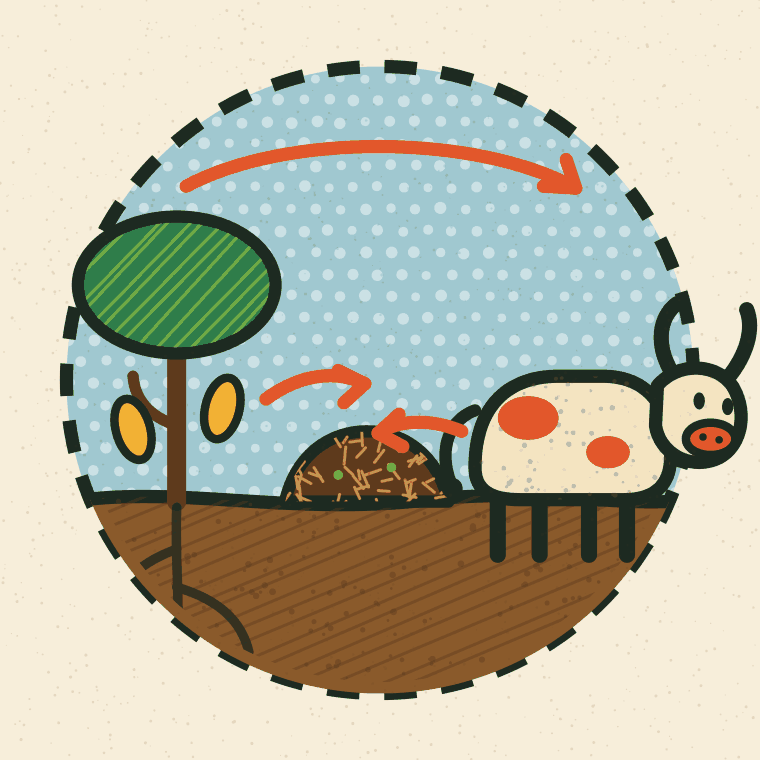
Fertility has to come from the farm, not from a sack. The basis is compost and animal manure, not purchased fertiliser.
Conversion covers the whole agricultural enterprise, not one plot. You cannot run one part to Demeter and another conventionally.
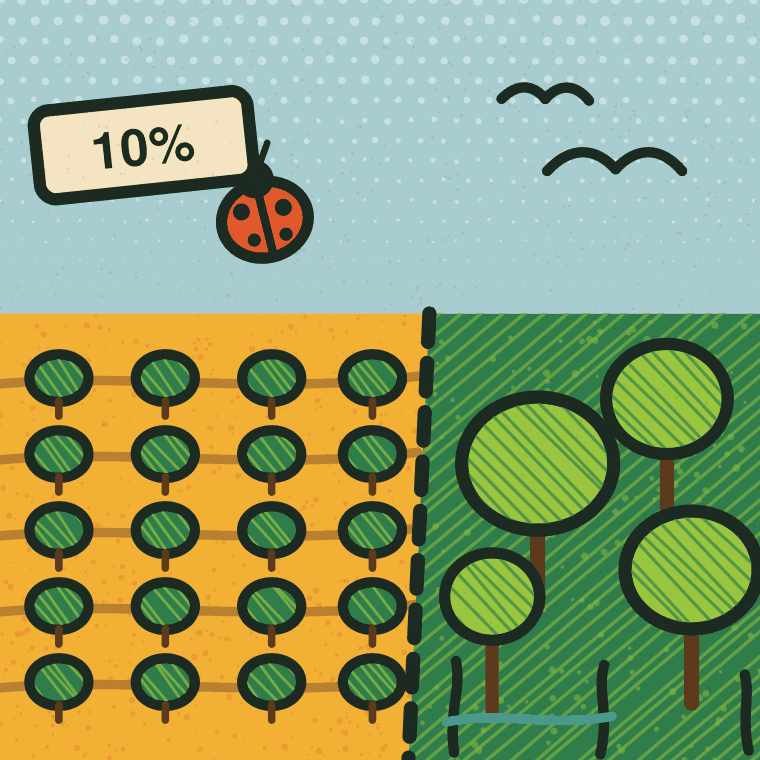
At least 10% of the total area has to be biodiversity reserve: woodland, hedges, wetlands, undisturbed ground. If it falls short, you have to submit a plan with dates.
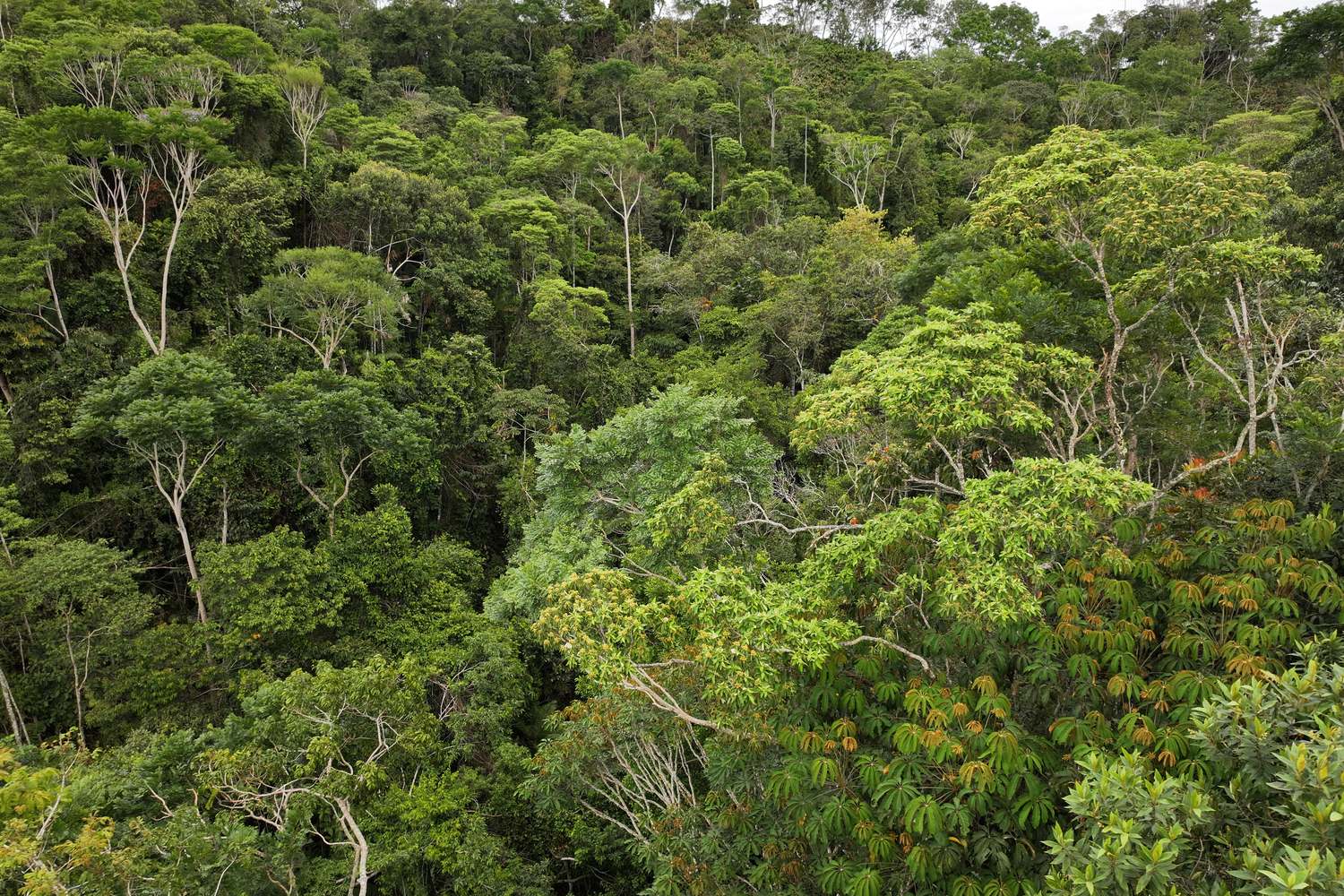
Clearing primary forest or areas of high conservation value to plant is forbidden. Where it happened, you have to reforest 1.5 times the affected area.
And there is one rule that exists in no other label: the biodynamic preparations are compulsory.
There are eight. Two are sprayed on the land and six go into the compost.
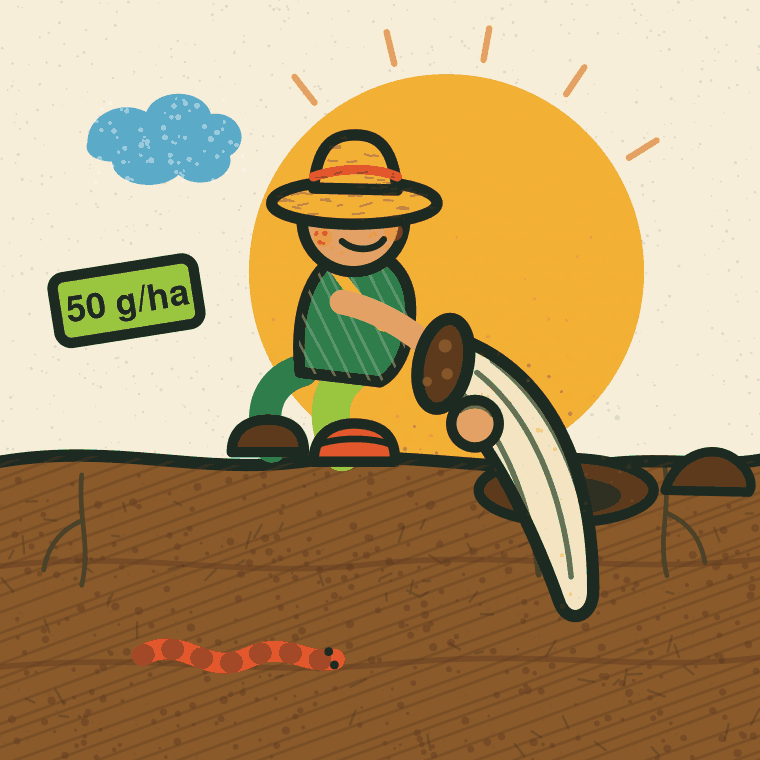
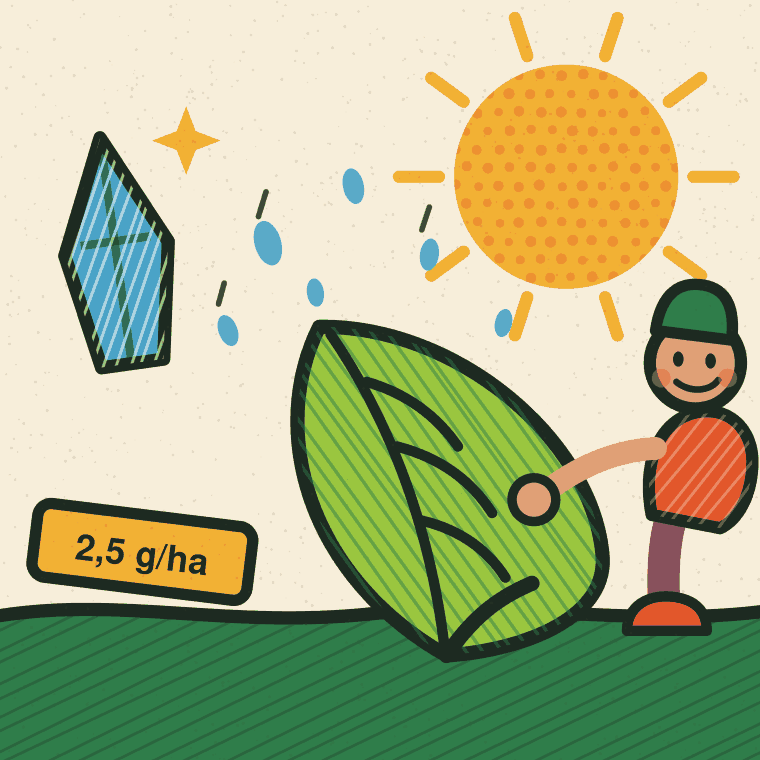
The two field sprays are the ones almost everyone has heard of, usually with scepticism. The first is cow manure buried over the winter inside a cow horn. When it comes out, the manure has turned into a dark, odourless humus. It goes onto the soil at least once a year, at 50 grams per hectare. The second is ground quartz, also buried in a horn but over the summer. That one is sprayed on the leaf rather than the soil, at 2.5 grams per hectare.
The other six are plants: camomile, oak bark, dandelion, yarrow, stinging nettle and valerian. They are added to the compost heaps to steer how the material breaks down.
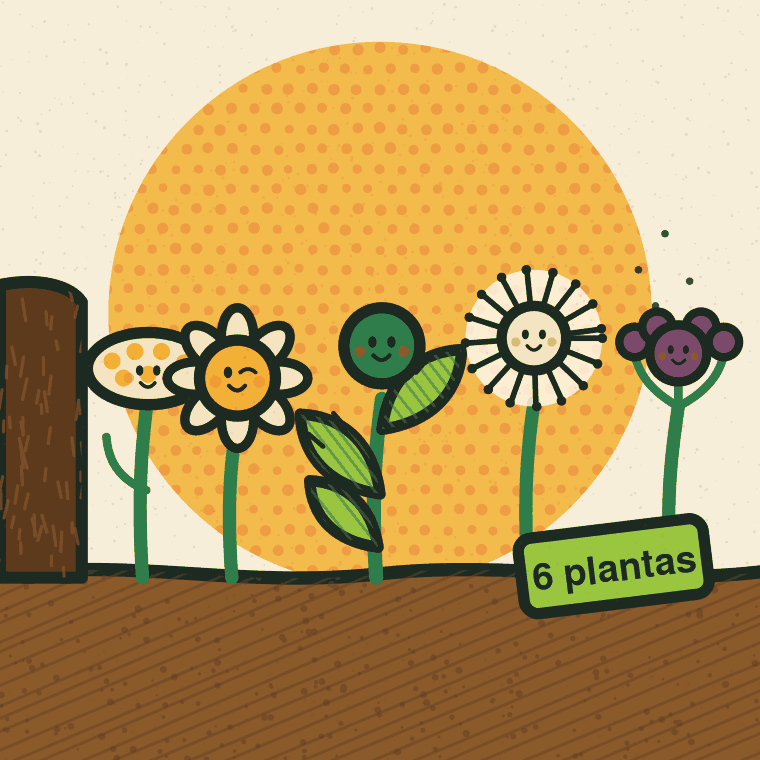
The quantities are the part that confuses anyone coming from conventional farming. 50 grams per hectare is not a fertiliser dose. The standard's own stated logic is that the effect is closer to a homeopathic remedy than to an input: the point is not to add nutrients but to activate processes in soil that already has them.
The field preparations are not simply dissolved. They are stirred into water for a full hour, pulling a vortex one way until it opens properly, breaking it, and pulling it again the other way. Over and over, sixty minutes.
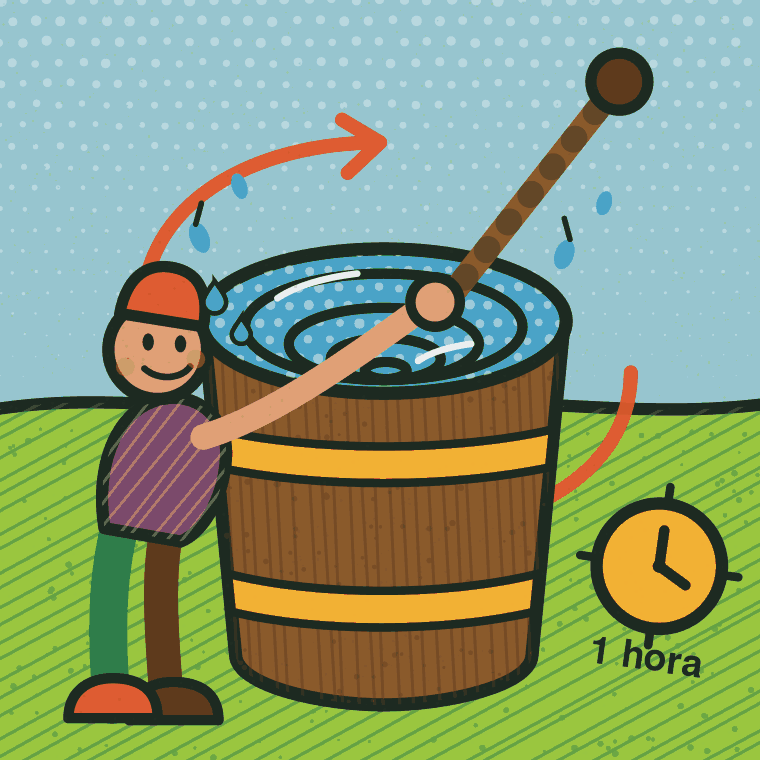
That hour is compulsory and it is auditable: the standard requires the farm to have a working stirring method, or a contract with a service that does it, and it is checked at the annual inspection.
This is where most people get off the bus, and that is reasonable. Steiner's explanation of the vortex is not a scientific one and does not claim to be. There is a short way of putting it that we use often: it is spiritual agriculture. We do not say that as a defence or as a joke, but as a description. The method comes from a way of seeing the world, not from a laboratory.
What is verifiable is the rest: the soil, the organic matter, the microbial life, water retention, the condition of the trees. That can be measured, and that is the part we care about.
If all of this sounds too esoteric to take seriously, it is worth knowing where it ended up taking root. In fine wine. A number of the most respected houses in Burgundy, Alsace, the Rhône, the Loire, Tuscany, Austria and California farm biodynamically, certified either by Demeter or by Biodyvin, the French body for wine growers.
It is not every good wine in the world, and there are famous estates that farm conventionally. But it is the sector where the method reached the very top and stayed there, among people whose product is judged blind, glass by glass, every year.
Because it is expensive in time and attention, and because there are no shortcuts.
The first step is not even Demeter. It is organic. The standard says so plainly: it does not come to replace organic certification but to sit on top of it. In practice you hold both, and how long the Demeter conversion takes depends on how many years you have already been organic. Coming from conventional farming it is the long road; with three years of organic behind you it is considerably shorter.
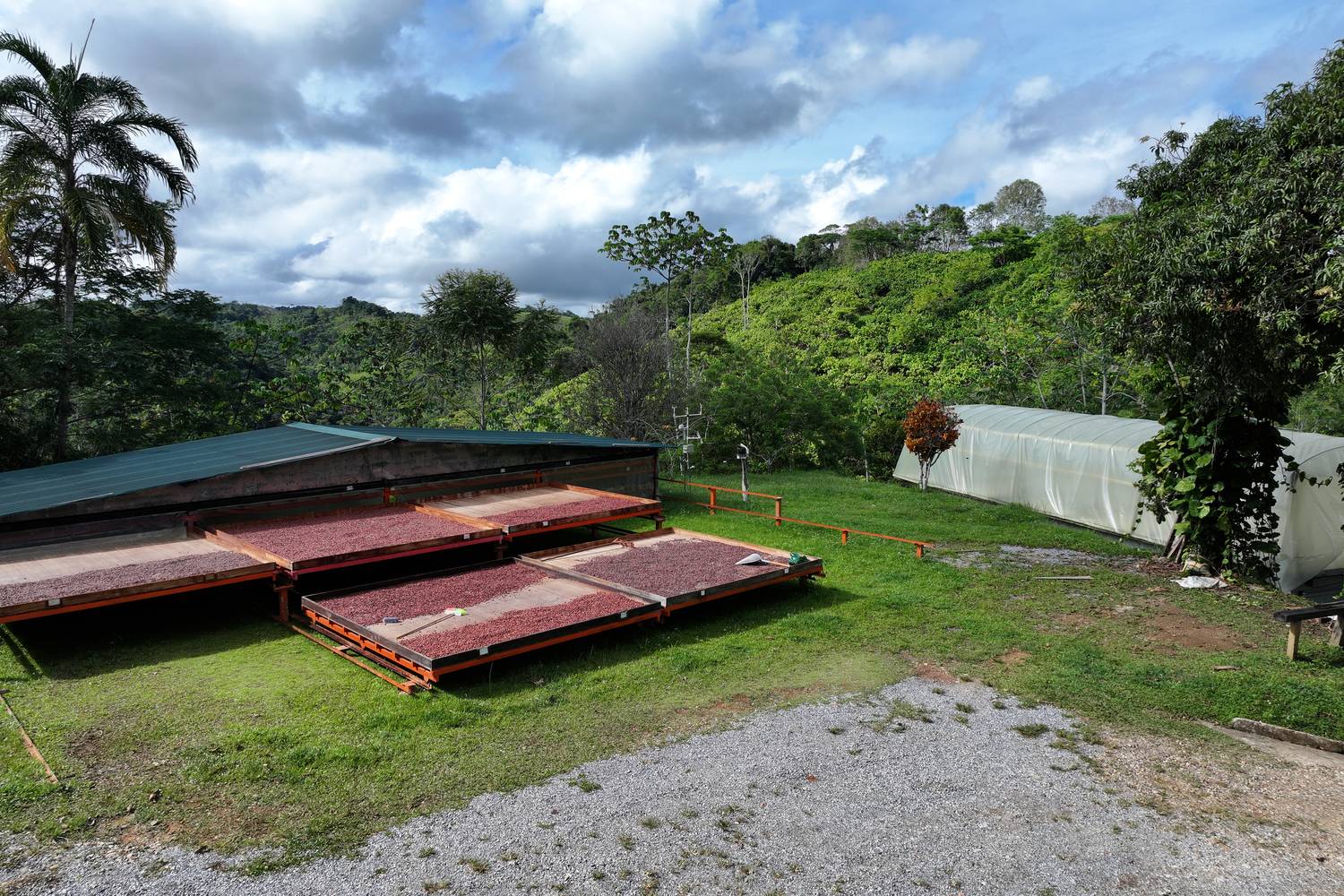
Then comes the rest. A perennial crop like cacao needs 36 months of management under the standard before a single harvest can be sold as Demeter. Through that whole period you comply with everything and cannot use the label. The entire farm goes in, not one plot. There is an annual inspection. The preparations have to be made, buried, dug up, stirred and applied, on dates set by the plant rather than by the work calendar.
None of that has a fast version. That is why the label is rare, and why it means something where people know it.
Let's be precise, because the label promises less than it is usually credited with. Demeter does not certify that something tastes better or is more nutritious. It certifies how it was produced.
What it does guarantee is this: the soil is worked so that it gains fertility instead of losing it, the farm does not depend on outside inputs, a tenth of the land is given to biodiversity rather than production, and no forest was cut down to plant. All of that is written into the standard and an outside party checks it every year.
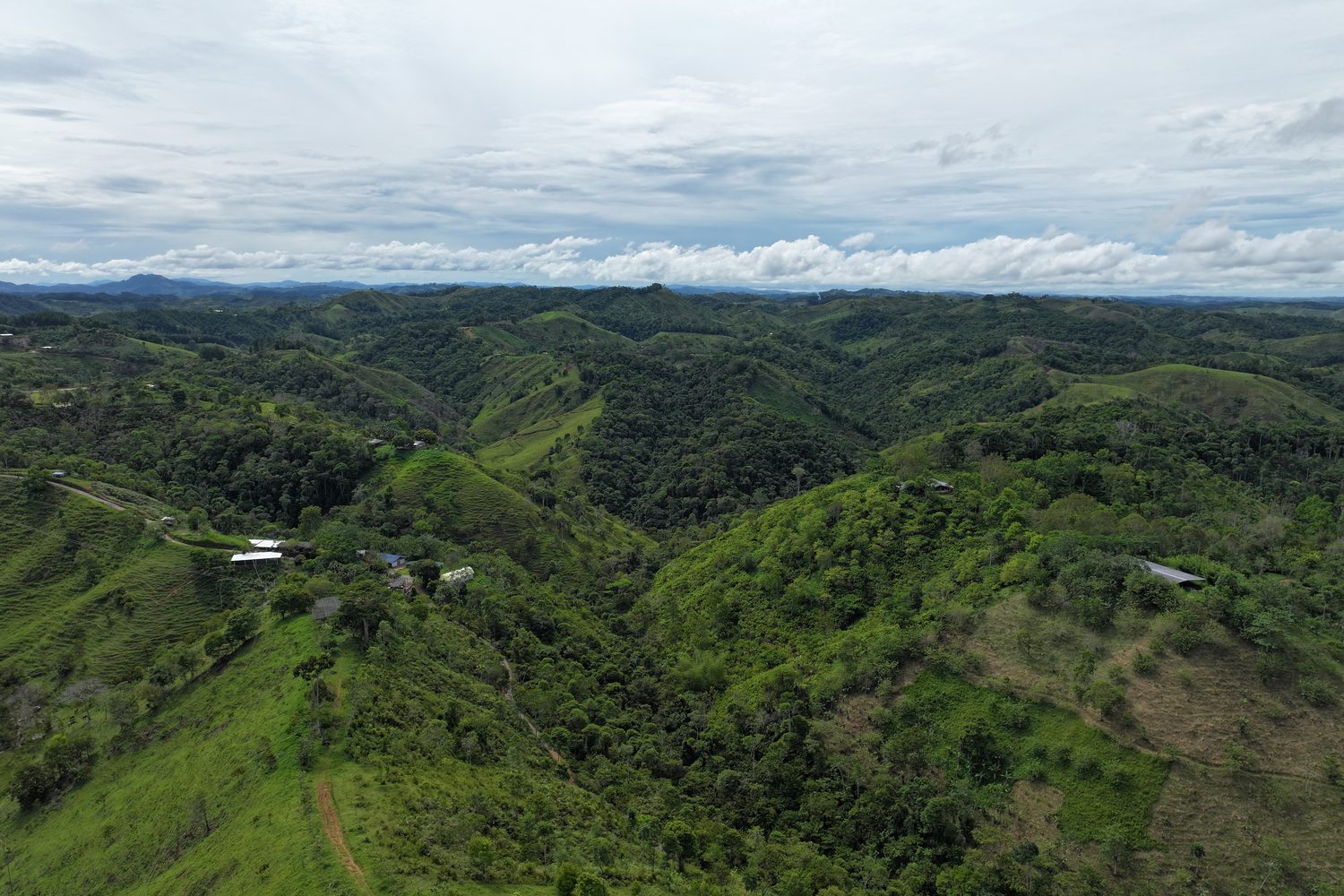
For a shopper in Europe, the label compresses all of the above into one word. For us, here, it is mainly a method: a framework that says what to do with a mountain farm so that it is in better shape in twenty years than it is today.
That was the general part. In part two we go down into the field: we sit down with Julio and Ángel, who do this work every day, to tell you what actually changed in our plots, what turned out harder than we expected, and what differences we have seen since we started.